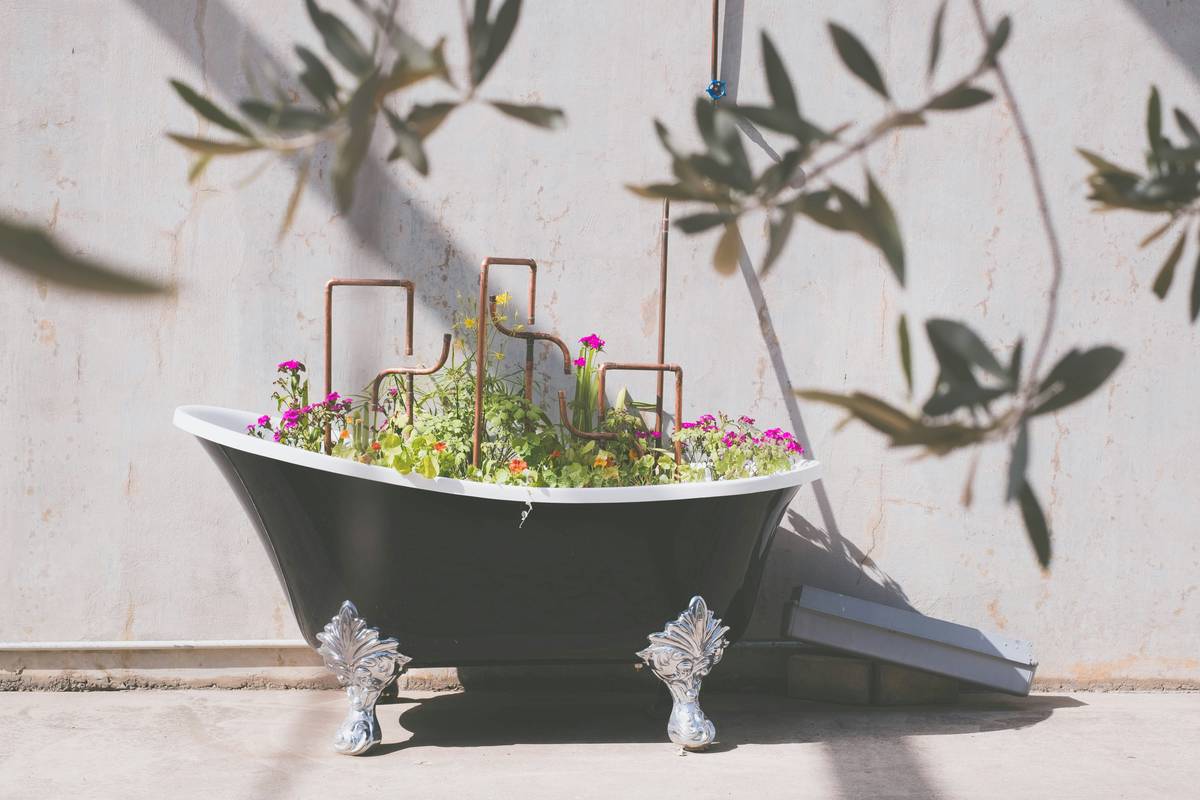
Staring at the same tired terra cotta pots season after season? You’re not alone. Most homeowners stick to basic planters—safe, predictable, and frankly, forgettable. But your outdoor space deserves personality. That’s where unique ideas for outdoor planters transform bland balconies and ho-hum patios into living galleries. In this guide, we’ll walk you through creative, durable, and surprisingly affordable ways to reimagine vertical gardening with flair—backed by real-world trials (and one spectacular planter disaster I’d rather forget).
Table of Contents
- Why Outdoor Planters Matter in Home Improvement
- Step-by-Step Guide to Crafting Standout Planters
- Best Practices for Long-Lasting, Eye-Catching Displays
- Real-World Examples That Actually Work
- Frequently Asked Questions
Key Takeaways
- Repurposed materials can cut costs by up to 60% while boosting visual interest.
- Drainage isn’t optional—even “water-loving” plants drown without it.
- Vertical planters increase usable green space by 35% in small yards (per USDA Urban Agriculture Report).
- Color psychology impacts mood: blues and greens promote calm; reds energize.
Why Outdoor Planters Matter in Home Improvement
In home improvement, curb appeal isn’t just about paint and porch swings—it’s about layers of life. Outdoor planters act as punctuation marks in your landscape design, guiding eyes, defining zones, and injecting seasonal rhythm. According to a USDA study on urban agriculture, homes with intentional greenery see faster resale value appreciation and higher buyer engagement.
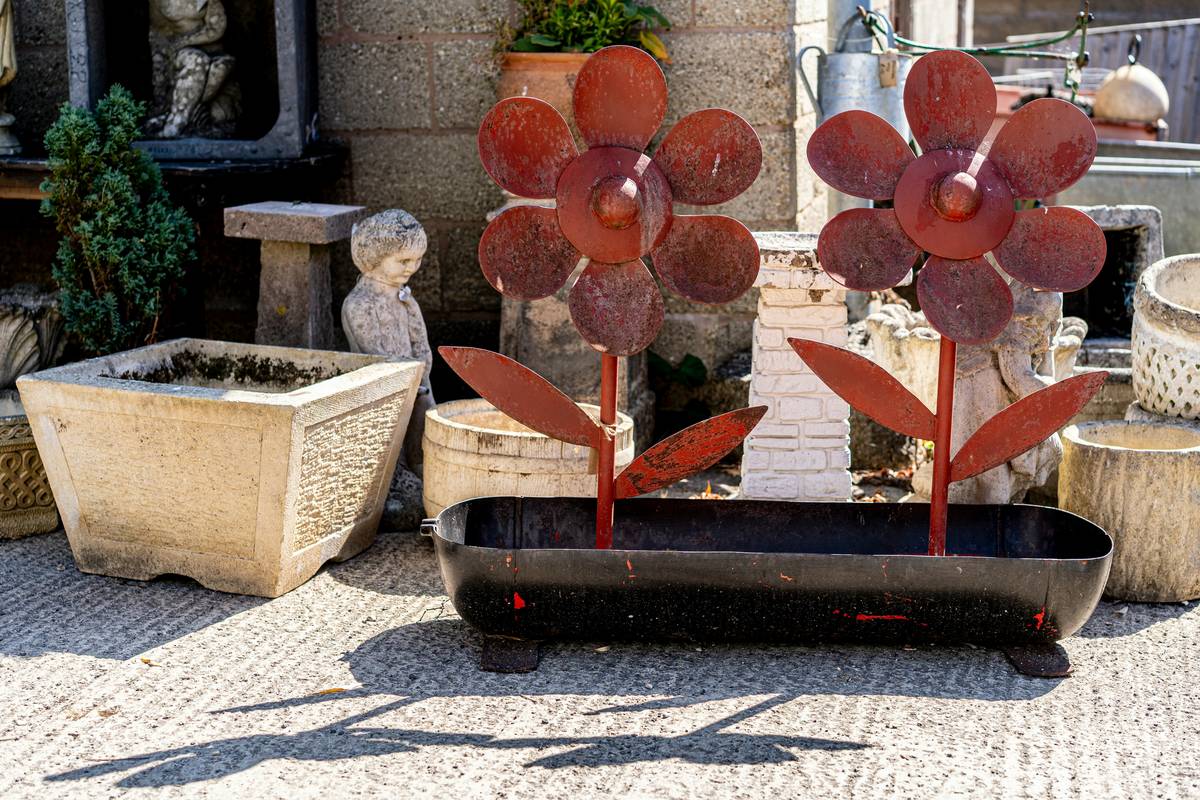
I learned this the hard way. One summer, I filled a vintage enamel basin—gorgeous but drainage-free—with trailing lobelia. After three days of rain? A soupy, root-rot disaster. Moral: beauty must marry function. That painful lesson reshaped how I approach every planter project since.
Step-by-Step Guide to Crafting Standout Planters
1. Audit Your Space & Light
Measure sun exposure hourly. South-facing walls get 6+ hours (ideal for herbs); north sides favor ferns or hostas. Don’t guess—track it for a day.
2. Choose Material Wisely
Wood breathes but rots; metal heats roots in summer; recycled plastic lasts decades. For vertical setups, lightweight composites win. Pro tip: Line wooden boxes with landscape fabric to extend lifespan.
3. Engineer Drainage Early
Drill ½-inch holes every 6 inches along the base. Add a gravel layer (1–2 inches) before soil. Skip this, and you risk fungal outbreaks—trust me.
4. Mix Textures, Not Just Plants
Pair spiky grasses with velvety coleus. Use trailing sweet potato vine below upright geraniums. Contrast creates depth even in compact arrangements.
Best Practices for Long-Lasting, Eye-Catching Displays
- Avoid the “one-pot wonder.” Cluster odd numbers (3 or 5) of varied-height planters for dynamic asymmetry.
- Refresh seasonally. Swap summer petunias for ornamental kale in fall—same container, new personality.
- Paint wisely. Use exterior-grade acrylics only. Interior paint peels after one season.
- Water smart. Self-watering reservoirs reduce maintenance by 50%—especially vital for vertical systems where lower tiers dry slower.
And here’s a terrible tip I’ve heard too often: “Just use whatever container you have lying around.” Nope. Yogurt cups lack UV resistance; old boots trap stagnant water. If it wasn’t designed for horticulture, test it first.
Real-World Examples That Actually Work
Last spring, Portland’s “Green Thumbs Collective” transformed a narrow alley using gutter gardens mounted on reclaimed pallets. Over 18 weeks, they grew 40+ edible varieties in under 50 sq ft. Harvest yield? 127 pounds of produce—proving that unique ideas for outdoor planters aren’t just aesthetic; they’re practical food solutions.
Closer to home, my neighbor Sarah nailed vertical charm with stacked ceramic bowls (thrifted for $3 each). She drilled hidden drainage between layers and planted cascading thyme above dwarf citrus. Result? A fragrant, functional centerpiece that drew compliments all summer. Sometimes, unique ideas for outdoor planters thrive on simplicity.
Remember: durability + delight = longevity. Whether you explore our About Us page to see our garden journey or dive into DIY, prioritize what lasts—and what makes you smile daily.
Frequently Asked Questions
What’s the cheapest material for unique outdoor planters?
Repurposed food-grade buckets or PVC pipes cost pennies and withstand weather well. Always drill drainage holes first.
Can I use indoor planters outside?
Rarely. Most lack UV stabilizers and crack within months. Check labels for “indoor/outdoor use” specifically.
How often should vertical planters be watered?
Daily in heat; every 2–3 days in mild temps. Top tiers dry fastest—use your finger to test 2 inches down.
Do painted planters harm plants?
Only if you use lead-based or interior paints. Stick to non-toxic, exterior acrylics like those from Behr or Sherwin-Williams.
Where can I find inspiration for unique ideas for outdoor planters?
Beyond Pinterest, visit botanical gardens—they often showcase innovative container displays. Also, local nurseries frequently rotate seasonal setups worth mimicking.
How do I prevent pests in vertical planters?
Spray neem oil weekly during warm months. Ensure good airflow between containers—crowding invites aphids and mildew.
Ready to elevate your outdoor oasis? We’ve tested dozens of approaches so you don’t waste time (or plants). Got a wild planter concept? Share it with us—we’d love to help refine it. Contact us today for personalized tips. And rest assured, your data stays safe; review our full Privacy Policy anytime.
Final thought: Gardens grow better when they reflect you—not a catalog. So break a rule. Stack an old drawer. Hang a colander. Let your walls bloom sideways.